
Contact Info
- +919582355558
- gauravgwc45@gmail.com
- 1699, Lower Ground Floor, Sector 52, Near Ardee City Gate Number 2 Roadm, Gurugram
Hernia Surgeon
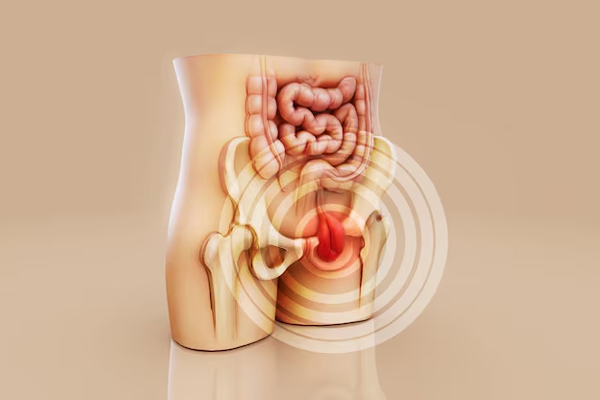
A hernia can return after an earlier repair, creating a new bulge, discomfort, or uncertainty about whether further treatment is needed. A recurrent hernia develops when tissue protrudes again through the same general area after a previous operation. It may appear months or years later, and its management can differ from that of a hernia that has never been repaired.
Recurrence does not automatically mean that the original operation was performed incorrectly. Healing, tissue quality, the original hernia's characteristics, and other medical factors can influence the outcome. Understanding these factors helps explain why reassessment is important before deciding on another procedure.
What makes a hernia recur?
Hernia repair aims to restore the position of protruding tissue and strengthen the weakened area. However, the abdominal wall continues to experience pressure during ordinary activities such as coughing, lifting, and bowel movements.
Recurrence may be associated with the original hernia's size, the strength of surrounding tissue, wound healing, infection, or the development of another weak point near the repair. Smoking, poor nutritional status, and some medical conditions can affect tissue healing. Excess body weight and persistent coughing or constipation may also increase abdominal pressure.
The presence of one risk factor does not prove why a particular hernia returned. In some cases, the exact cause cannot be identified.
Recognising a recurrent hernia
A new bulge near a previous repair is a common sign. It may become more noticeable when standing, coughing, or straining and may reduce when lying down. Other symptoms include aching, heaviness, pressure, or discomfort during movement.
Not every lump near a surgical scar is a recurrent hernia. Scar tissue, fluid collections, and other changes can produce similar findings. A new lump should therefore be assessed rather than diagnosed by appearance alone.
Sudden severe pain, a firm bulge that cannot be reduced, vomiting, abdominal swelling, or inability to pass stool or gas may indicate trapped tissue or bowel obstruction. These symptoms require emergency medical evaluation.
How recurrence is investigated
Assessment begins with a review of the previous operation, including the type of repair, any use of mesh, postoperative complications, and the timing of the new symptoms. Examination may be performed while standing and lying down.
Ultrasound can help identify a small or uncertain defect. Computed tomography may be useful for complex abdominal wall hernias, multiple defects, or cases in which the relationship between the hernia and previous repair needs clarification.
The evaluation also considers pain severity, bowel symptoms, activity limitations, general health, and the condition of the surrounding tissues. This information helps distinguish a recurrence requiring urgent treatment from one that can be assessed through planned care.
Why repeat repair may be more complex
A second operation may involve scar tissue and altered anatomy from the first procedure. Previous mesh, if present, may affect the available surgical planes. The size and position of the recurrent defect also influence the repair strategy.
Options may include an open operation or a minimally invasive approach, depending on the type of hernia, the original repair, the patient's medical condition, and the surgeon's assessment. Mesh may be considered to reinforce the weakened area, but its use and placement depend on the individual case.
There is no single approach that suits every recurrence. The treatment plan should account for the potential benefits, technical limitations, complications, and likelihood of another recurrence. For some people, observation may be reasonable when symptoms are limited and the risks of surgery outweigh the expected benefits.
Preparing for another operation
Preparation generally includes reviewing existing conditions, current medicines, previous anaesthetic experiences, allergies, and the details of the earlier surgery. Investigations may be required to clarify the defect or assess medical fitness for an operation.
People should disclose smoking, persistent cough, constipation, diabetes, and other factors that may influence healing. Where appropriate, addressing these issues before planned surgery may improve general health and support recovery. Prescribed medicines should only be adjusted according to medical instructions.
Understanding the proposed repair, expected recovery, wound care, activity restrictions, and warning signs is also important. Questions about mesh, possible alternatives, and the risk of recurrence should be discussed before giving consent.
Recovery and longer-term prevention
Recovery after repeat repair varies with the complexity of surgery and the individual's health. Walking and light movement may be encouraged early, while strenuous activity and heavy lifting must follow the postoperative guidance provided.
Constipation management, suitable nutrition, gradual return to exercise, and control of chronic coughing can help limit unnecessary strain. Smoking cessation may support wound healing. These measures cannot eliminate recurrence risk, and no preventive approach guarantees that a hernia will never return.
People searching for Hernia Surgeon in Gurgaon Sector 56 should understand that recurrent hernias require an individual assessment of the previous repair, current symptoms, and available treatment options.
Frequently asked questions
1. Does a recurrent hernia always require another operation?
No. The decision depends on symptoms, the type of hernia, complication risk, and overall health. Some cases may be monitored under medical guidance.
2. Is repeat hernia surgery more complicated?
It can be because scar tissue, altered anatomy, or previous mesh may affect the procedure. Complexity varies from one case to another.
3. Can lifestyle changes prevent another recurrence?
Managing constipation, avoiding smoking, and addressing persistent coughing may support general health and recovery, but these measures cannot guarantee prevention.
- Hernia Surgeon in Gurgaon Sector 52
- Hernia Surgeon in Gurgaon Sector 51
- Hernia Surgeon in Gurgaon Sector 53
- Hernia Surgeon in Gurgaon Sector 54
- Hernia Surgeon in Gurgaon Sector 55
- Hernia Surgeon in Gurgaon Sector 56
- Hernia Surgeon in Gurgaon Sector 57
- Hernia Surgeon in Gurgaon Sector 42
- Hernia Surgeon in Ardee City
- Hernia Surgeon in Sushant Lok
- Hernia Surgeon in South City
- Hernia Surgeon in DLF Phase 5
| Tags: |