
Contact Info
- +919582355558
- gauravgwc45@gmail.com
- 1699, Lower Ground Floor, Sector 52, Near Ardee City Gate Number 2 Roadm, Gurugram
Gall Bladder Surgeon
Gallbladder surgery is commonly considered when gallstones cause repeated symptoms or lead to complications. The decision depends on the diagnosis, the severity of symptoms, the patient's general health, and whether other structures, such as the bile ducts or pancreas, are affected.
The most frequently performed operation for symptomatic gallbladder stones is cholecystectomy, which involves removing the gallbladder. Although this procedure is widely used, it is important to understand why surgery may be recommended, what alternatives exist in particular circumstances, and what recovery can involve.
Why the gallbladder may need to be removed
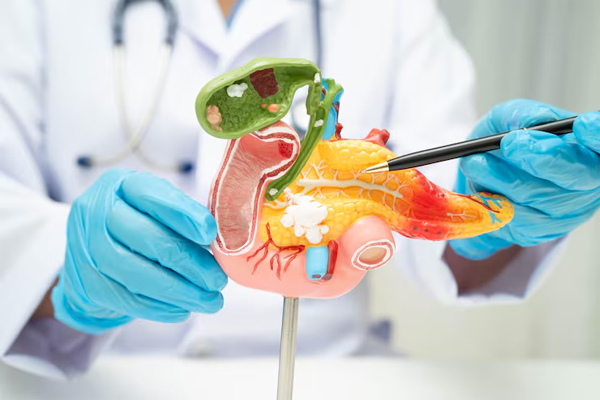
The gallbladder stores bile produced by the liver and releases it into the digestive tract. Gallstones can form when substances in bile crystallise. These stones may remain inside the gallbladder without causing symptoms, or they may obstruct the flow of bile and trigger pain.
Surgery may be considered when gallstones repeatedly cause biliary colic, when inflammation develops, or when certain complications occur. Gallbladder inflammation, known as cholecystitis, can cause persistent upper abdominal pain, tenderness, fever, and nausea.
A stone that moves into the common bile duct can obstruct bile flow and sometimes cause jaundice or infection. Gallstones may also contribute to pancreatitis when they interfere with the pancreatic drainage pathway.
Not every gallstone requires an operation. Incidentally discovered stones in people without symptoms are often managed without immediate treatment. The approach changes if symptoms develop or clinical findings indicate a higher risk of complications.
Investigations before surgery
The assessment usually begins with a review of pain episodes, digestive symptoms, previous medical conditions, current medication, and any history of jaundice or fever.
Ultrasound is commonly used to identify gallstones and assess the gallbladder. Blood tests may help detect inflammation, changes in liver function, or possible pancreatic involvement.
If a bile duct stone is suspected but not clearly visible on ultrasound, further imaging may be appropriate. Magnetic resonance cholangiopancreatography, for example, can provide detailed images of the bile ducts. Other investigations may be selected according to the clinical findings.
The purpose of these tests is to establish the likely cause of symptoms and identify complications that could change the treatment plan. Upper abdominal pain has several possible causes, so gallstones found on a scan should be interpreted alongside the patient's symptoms and examination.
How laparoscopic gallbladder removal is performed
Laparoscopic cholecystectomy is performed through several small abdominal incisions. A camera and specialised instruments allow the operating team to view the gallbladder and surrounding structures.
The surgeon identifies the structures connecting the gallbladder to the bile duct and blood supply before separating and removing the organ. Correct identification of the anatomy is essential because bile duct injuries, although uncommon, can have serious consequences.
The operation is usually performed under general anaesthesia. Its duration and technical difficulty depend on factors such as inflammation, scar tissue, anatomical variation, and previous abdominal surgery.
In some circumstances, an open operation may be safer or more appropriate. A laparoscopic procedure may also need conversion to open surgery if the anatomy cannot be identified clearly, significant bleeding occurs, or another concern makes continued laparoscopy unsafe.
Benefits and limitations of surgery
Removing the gallbladder can prevent further gallbladder-related attacks in people with symptomatic stones. The laparoscopic approach often involves smaller incisions and may allow earlier discharge and recovery than open surgery in suitable cases.
However, surgery carries risks, including bleeding, infection, anaesthetic complications, injury to nearby structures, bile leakage, and blood clots. The likelihood of these complications varies with the patient's health and the complexity of the procedure.
Surgery also does not guarantee that every type of abdominal discomfort will disappear. Symptoms caused by another digestive condition may persist after gallbladder removal. Appropriate assessment before surgery helps establish whether the gallbladder is likely to be responsible for the symptoms.
Recovery and changes in digestion
Some patients go home on the day of surgery, while others require longer observation. Recovery instructions generally cover wound care, pain relief, movement, eating, and gradual return to everyday activities.
Walking gently as advised can help restore mobility. Heavy lifting and strenuous exercise should be avoided until the treating team confirms that these activities can be resumed safely.
The liver continues to produce bile after gallbladder removal. However, bile no longer collects in the gallbladder between meals. Most people adapt well, although some experience temporary bloating, loose stools, or difficulty tolerating large, fatty meals.
Smaller meals and gradual adjustments may help during recovery. Persistent diarrhoea, ongoing pain, fever, wound discharge, or yellowing of the skin or eyes needs medical assessment.
When symptoms require urgent attention
Gallbladder symptoms can occasionally indicate a complication requiring prompt treatment. Severe or persistent upper abdominal pain, fever with abdominal tenderness, repeated vomiting, jaundice, dark urine, or pale stools should not be ignored.
Sudden deterioration, confusion, collapse, or signs of severe infection require emergency care. People with known gallstones should not assume that a new episode of severe pain is simply another routine attack.
For those using the search phrase Gall Bladder Surgeon in DLF Phase 5, the important medical consideration is understanding the diagnosis, whether an operation is indicated, and the possible benefits and risks of the proposed approach. Treatment decisions require individual clinical assessment rather than reliance on a location-based phrase.
Frequently asked questions
1. Is gallbladder removal necessary for every person with gallstones?
No. People with gallstones but no symptoms often do not need immediate surgery. Recurrent pain or complications may make removal appropriate.
2. Can gallstones return after the gallbladder is removed?
Gallstones cannot reform inside a gallbladder that has been removed. However, stones can occasionally remain in or develop within the bile ducts, which may require further assessment.
3. How long does recovery from gallbladder surgery take?
Recovery varies according to the surgical approach, overall health, and whether complications occur. Many people resume light activities relatively soon, while strenuous activities may require a longer period of recovery.
- Gall Bladder Surgeon in Gurgaon Sector 52
- Gall Bladder Surgeon in Gurgaon Sector 51
- Gall Bladder Surgeon in Gurgaon Sector 53
- Gall Bladder Surgeon in Gurgaon Sector 54
- Gall Bladder Surgeon in Gurgaon Sector 55
- Gall Bladder Surgeon in Gurgaon Sector 56
- Gall Bladder Surgeon in Gurgaon Sector 57
- Gall Bladder Surgeon in Gurgaon Sector 42
- Gall Bladder Surgeon in Ardee City
- Gall Bladder Surgeon in Sushant Lok
- Gall Bladder Surgeon in South City
- Gall Bladder Surgeon in DLF Phase 5
| Tags: |